
Understanding the Basics of Casino Gambling
Casino gambling has long captivated the imagination of many, serving as both a source of entertainment and a topic of scrutiny. At its essence, gambling involves placing bets on games where the outcomes are determined by chance. This distinction is vital in dispelling several myths that plague the gambling community, especially when choosing a secure online casino with fast withdrawal options to enhance the gaming experience. Understanding the foundational principles of how casinos operate can help players navigate this complex landscape more effectively and responsibly.
One common misconception is that casinos are universally rigged against players, fostering an environment where winning is nearly impossible. While it is true that the house has an edge in most games—meaning that, over time, the casino is statistically more likely to profit—this does not imply that players cannot win. Certain games, like poker or blackjack, incorporate elements of skill that can significantly influence the odds. For example, knowledgeable players can employ strategies such as card counting to mitigate the house edge and improve their chances of winning.
Additionally, the glamorization of casinos in films and media often leads to unrealistic expectations about the gambling experience. Many people enter casinos believing they will walk away with huge winnings, not realizing that the majority of players experience losses. By adopting a more realistic view of the odds and outcomes associated with casino games, players can engage in gambling as a form of entertainment rather than as a guaranteed path to financial gain.
Debunking Common Misconceptions About Winning
One of the most pervasive myths in gambling is the idea that certain individuals possess a «lucky streak» that enables them to win consistently. This notion leads many to believe that they can predict future outcomes based on past results, particularly in games like slots or roulette. However, these games operate on principles of randomness, meaning that each spin or turn is independent of any preceding ones. This understanding is vital for players who might otherwise fall prey to the allure of patterns that simply do not exist.
Moreover, the belief that players can outsmart the system by detecting patterns in random outcomes is fundamentally flawed. The odds in casino games are meticulously calculated to ensure that the house has a long-term advantage. While skill-based games allow players to make decisions that can impact their success, such as in poker, the inherent unpredictability of chance games means that luck plays a significant role. Acknowledging this reality helps players approach gambling with a mindset focused on enjoyment and entertainment rather than guaranteed profit.

Another misconception is that winning at gambling is purely a matter of luck, with no strategy involved. While luck is indeed an essential component of gambling, successful players often employ various strategies, including bankroll management and game selection, to enhance their experience. Understanding the rules, probabilities, and risks associated with different games allows players to make informed choices that can improve their overall outcomes and enjoyment of the gambling experience.
The Role of Psychology in Gambling
The psychology of gambling is a fascinating area that reveals much about player behavior and decision-making. Many people believe that casinos intentionally design their environments to create a captivating atmosphere, utilizing bright lights, engaging sounds, and strategic layouts to keep players engaged. Research supports the idea that these elements can significantly impact a player’s choices, often leading them to gamble more than they intended. By understanding these psychological tactics, players can better navigate their experiences and remain aware of their decision-making processes.
Another critical psychological factor is the «gambler’s fallacy,» a cognitive bias where individuals believe that previous losses increase the likelihood of future wins. This misconception can lead to reckless betting behavior, as players chase losses in hopes of recovering their funds. Recognizing this tendency is crucial, as it allows players to make more rational choices and avoid falling into the trap of chasing losses, which can lead to significant financial strain.
Additionally, many people turn to gambling as a means of coping with stress or emotional challenges. This can cloud their judgment and lead to poor decision-making. Understanding the motivations behind one’s gambling behavior is essential for fostering a healthier relationship with gambling. By recognizing that gambling should not be used as a coping mechanism, individuals can develop a more balanced approach and enjoy their experiences without compromising their well-being.
Legal and Ethical Considerations in Casino Gambling
The legality of gambling varies widely across different jurisdictions, leading to a myriad of misconceptions about the industry. Many people might assume that gambling is illegal or unregulated in all areas, but in reality, most regions have specific frameworks governing gambling activities. These regulations are designed to protect players, ensuring fair play and consumer rights. Familiarizing oneself with the legal landscape can empower players to make informed decisions about where and how they choose to gamble.
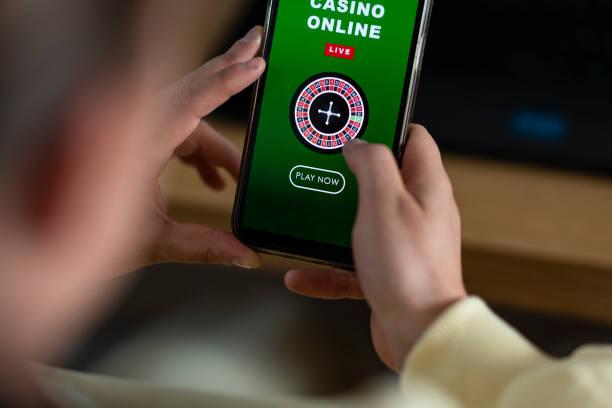
Ethical considerations are also paramount in discussions surrounding gambling, particularly regarding addiction and its societal implications. Some individuals believe that casinos prioritize profits over the well-being of their patrons. However, many establishments actively promote responsible gaming initiatives that provide resources and support for those who may struggle with gambling-related issues. Recognizing the efforts made by casinos to encourage safe gambling practices can help dispel the notion that the industry is solely focused on profit.
Moreover, the portrayal of gambling in popular culture can contribute to societal misconceptions and stigmas. Movies and television often depict gambling as an exciting, risk-free pastime, glossing over the potential consequences. Open discussions about responsible gambling and transparency within the industry can help reshape public perceptions, fostering a healthier understanding of gambling’s role in society and dispelling the myth that it is a benign and harmless activity.
Exploring Resources for Responsible Gambling
In today’s digital age, numerous resources are available to assist individuals in practicing responsible gambling. Many reputable casinos and online platforms offer comprehensive guides and tools designed to promote safe gambling. These resources may include options like deposit limits, self-exclusion programs, and links to support organizations specializing in gambling addiction. Familiarity with these resources allows players to make informed choices and establishes healthier gambling habits, enhancing their overall experience.
Websites dedicated to responsible gambling provide invaluable information on identifying signs of problematic gambling behavior. They often feature educational materials that encourage players to maintain a balanced approach to betting and provide strategies for impulse management. By engaging with these resources, individuals can take proactive steps toward protecting their financial and mental health, fostering a more positive gambling experience.
Engagement with responsible gambling resources is crucial for creating an environment where players feel supported. Whether through educational content, community outreach, or dedicated help lines, these tools aim to promote responsible gambling practices. Ultimately, a commitment to fostering open conversations about gambling can help dispel the myths that lead individuals to gamble recklessly, allowing for a more responsible and enjoyable approach to this popular recreational activity.